Parish Records and Archives
Introduction
On-site genealogical research in Italy becomes necessary when standard research methods no longer produce results. Many family histories can be reconstructed using civil records, online databases, and direct requests to municipal offices. These sources are often sufficient to trace a lineage through the nineteenth and early twentieth centuries.

However, once these records are exhausted, research enters a more complex phase. Documentation becomes fragmented, access becomes limited, and the ability to move further back in time depends on sources that are not always available remotely.
It is at this point that on-site genealogical research in Italy becomes a critical step rather than an optional one.
The Structure and Limits of Civil Records
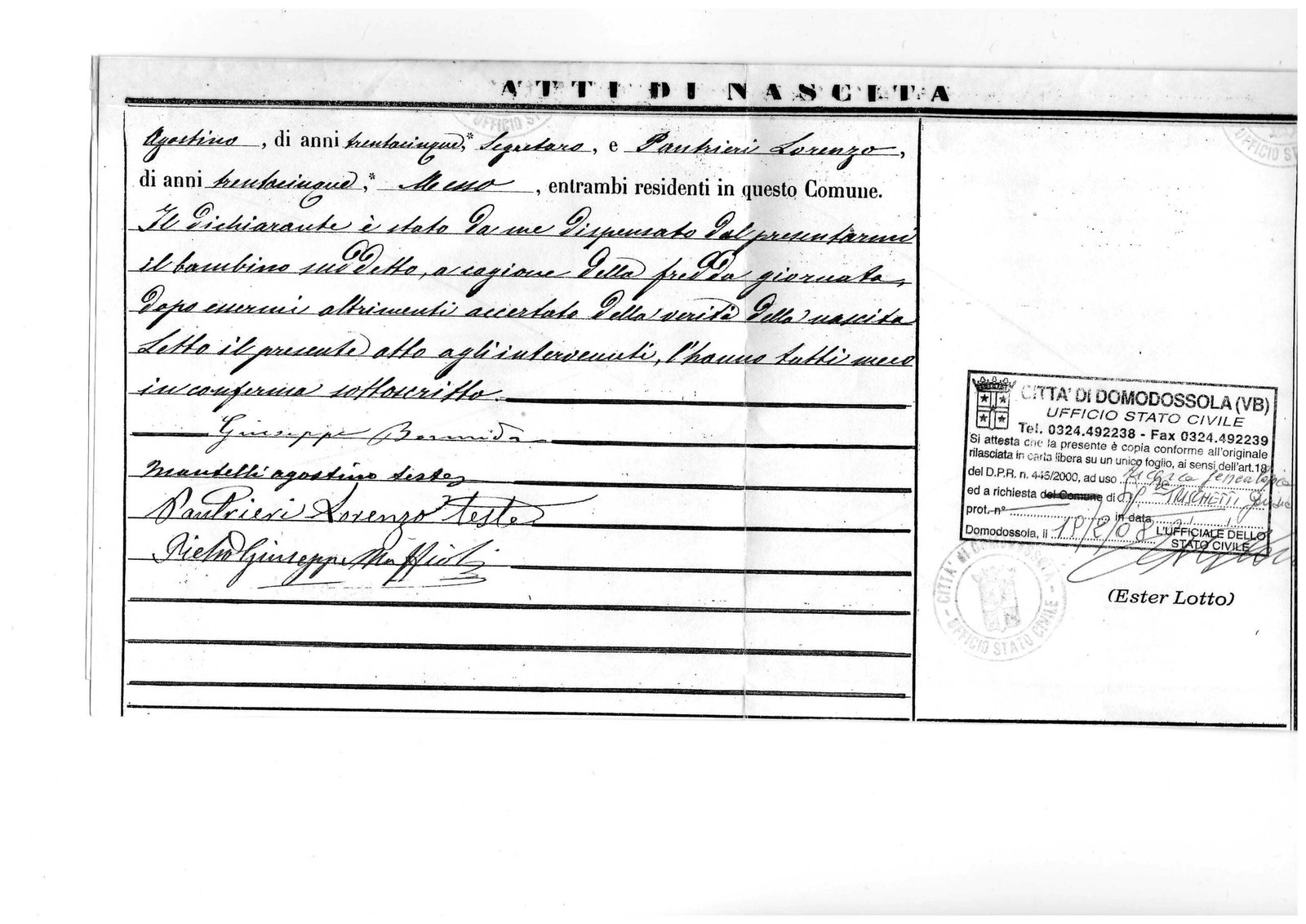
Italian civil registration represents the foundation of most genealogical reconstructions. Introduced during the Napoleonic period and later standardized after the unification of Italy, civil records include births, marriages, and deaths recorded with a relatively consistent structure.
These documents often contain detailed information, including parentage, occupations, and marginal notes that can link individuals across different life events. For many researchers, this system allows for a reliable reconstruction of family lines over several generations.
Many Italian civil records are available through the official portal Antenati.

Despite its strengths, civil registration has clear limitations. Records generally do not extend before the early nineteenth century, and in some areas coverage begins even later. In addition, preservation is not always complete. Missing volumes, damaged registers, and gaps in archival series are not uncommon.
Even when records do exist, they are not always accessible online. While platforms such as Antenati and FamilySearch provide extensive collections, coverage remains uneven, and many municipalities have not fully digitized their holdings.
From Civil to Ecclesiastical Sources
When civil records can no longer support further research, the only way to continue is to turn to ecclesiastical sources. This transition marks a fundamental change in both the nature of the documentation and the methodology required to interpret it.
Parish registers, which include baptisms, marriages, and burials, become the primary source for reconstructing earlier generations. In many regions of Italy, these records extend back to the sixteenth or seventeenth century, offering the possibility of tracing family lines far beyond the limits of civil registration.
However, parish documentation differs significantly from civil records. Entries are often brief, written in Latin, and structured according to local practices rather than standardized formats. Names may vary, dates may be approximate, and relationships are not always explicitly stated.
For this reason, working with parish records requires a more interpretative approach.
Why Parish Records Are Not Easily Accessible
One of the main reasons on-site genealogical research in Italy becomes necessary is the limited accessibility of parish records.
Unlike civil records, which are increasingly digitized, parish registers are often preserved in local archives that are not open to remote consultation. In some cases, they are held directly within the parish; in others, they are stored in diocesan archives with restricted access.
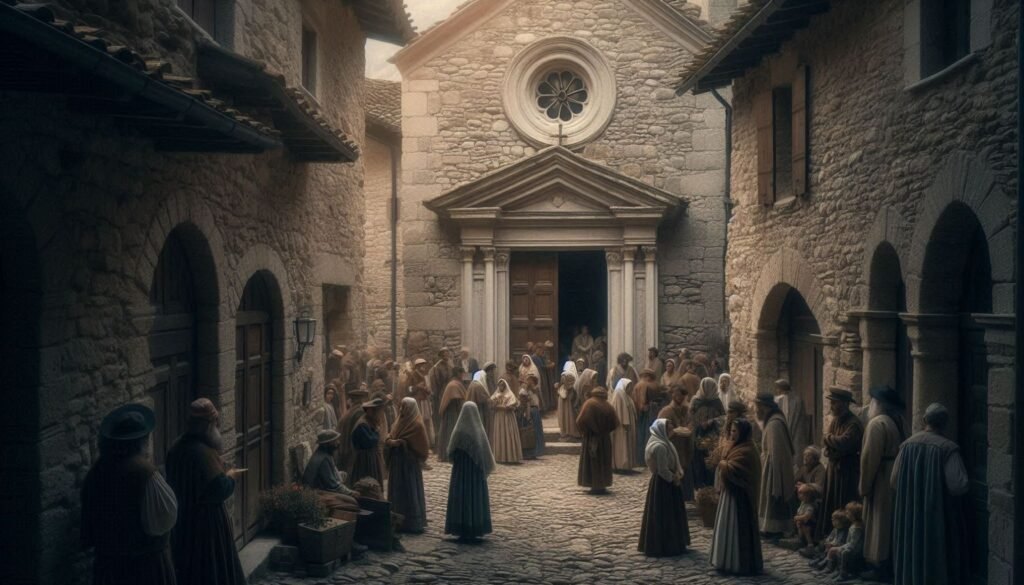
Digitization projects exist, but they are far from complete. Even when records have been photographed, they are not always indexed or searchable. This means that locating a specific entry may require examining entire volumes page by page.
In addition, access policies vary widely. Some archives require appointments, others impose limitations on consultation, and in certain cases permission must be requested in advance.
Notarial Records and Their Role in Genealogical Research
Beyond parish and civil documentation, notarial records represent one of the most valuable sources for reconstructing family history in Italy, particularly from the late medieval period onward.
Notarial archives include a wide range of documents, such as wills, marriage contracts, dowries, property transactions, and legal agreements. These records often provide details that are not found in parish registers, including information on family relationships, economic status, and social networks.
In many cases, a notarial act may explicitly identify multiple generations within a single document. For example, a will can name children, spouses, siblings, and even extended relatives, offering a level of detail that is rarely available in other sources.
Why Notarial Research Requires On-Site Work
Notarial records are among the least accessible sources in Italian genealogy.
Although some collections have been catalogued, the majority of notarial material is not digitized and is often organized in complex archival series. Documents are typically arranged by notary rather than by family name, which means that locating relevant material requires prior identification of the correct notarial office and time period.

For this reason, on-site genealogical research in Italy is often essential when working with notarial sources. Consultation involves navigating archival inventories, requesting specific volumes, and manually examining documents that may span hundreds of pages.
In addition, these records are frequently written in formal legal language, sometimes in Latin, and require careful interpretation.
Integrating Parish and Notarial Sources
The combined use of parish and notarial records is often what allows genealogical research to progress beyond its natural limits.
While parish registers provide the basic framework of births, marriages, and deaths, notarial documents add depth and context. They can confirm relationships suggested by parish entries, clarify ambiguities, and reveal aspects of family life that would otherwise remain unknown.
This integration is particularly important when parish records are incomplete or when multiple individuals share the same name. In such cases, notarial evidence can help distinguish between different family branches and establish more precise connections.
The Role of Local Archives Beyond Parish Records
Parish registers and notarial records are not the only sources relevant to early genealogical research.
State archives, cadastral records, and local archival collections can provide additional layers of information. Cadastral documentation, for example, may reveal patterns of land ownership, residence, and economic activity, offering insight into the social context of a family.
These sources become particularly important when reconstructing genealogies over long periods or when documentation is incomplete.
Working with Fragmented and Unindexed Sources
Genealogical research before the nineteenth century rarely follows a straightforward path. Instead of relying on complete and clearly structured records, the process involves assembling information from multiple partial sources.
A baptismal record may identify parents, while a marriage entry confirms connections between families. Burial records, though often minimal, can help establish chronological frameworks.
In many cases, the reconstruction of a family line depends on recognizing patterns: recurring names, geographic proximity, and consistent associations between individuals. This requires careful comparison and a solid understanding of local naming conventions and social structures.
On-site genealogical research in Italy allows for this type of continuous analysis, as it provides direct access to multiple sources within the same archival context.
Common Challenges in Early Italian Genealogy
Research in earlier periods presents several recurring challenges.
One of the most significant is variation in names. Surnames may appear in different forms, and given names are often Latinized in parish records. This can make it difficult to identify individuals with certainty.
Another issue is the lack of standardization. Dates may be recorded inconsistently, and some events may not have been documented at all. In addition, gaps in preservation can interrupt otherwise continuous series of records.
Finally, geographic mobility, even over short distances, can complicate research. Families may appear in neighboring parishes or municipalities, requiring a broader approach that goes beyond a single location.
Extending Research Before the Nineteenth Century
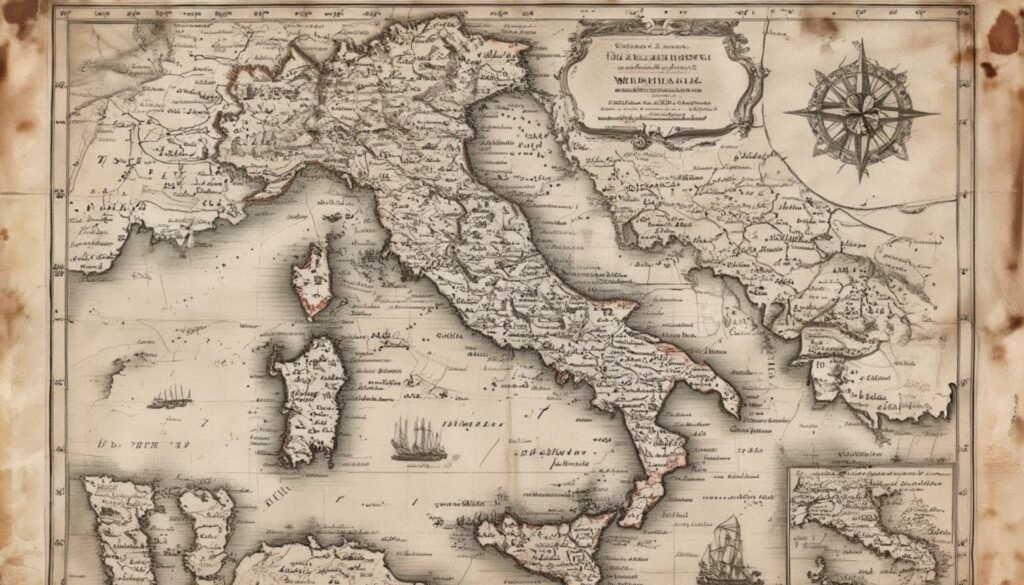
When conditions are favorable, parish records make it possible to trace Italian ancestry back several centuries. This is particularly true in areas where documentation has been well preserved and where multiple sources can be combined.
In less favorable cases, research may reach a natural limit due to missing records or insufficient information. Even then, however, the available documentation can provide valuable insights into the historical context of a family, including social status, occupation, and patterns of residence.
At this stage, genealogical research becomes closely connected to local history, requiring an understanding of the broader environment in which families lived.
When On-Site Genealogical Research in Italy Becomes Necessary
On-site genealogical research in Italy becomes necessary when the sources required for further investigation are no longer accessible remotely and when the research objective involves earlier historical periods.
This typically occurs when moving from civil to parish and notarial records, or when working with archival materials that have not been digitized. In these situations, physical access to documents is essential, as is the ability to interpret them within their historical context.
Recognizing this transition is a key step in developing an effective research strategy.